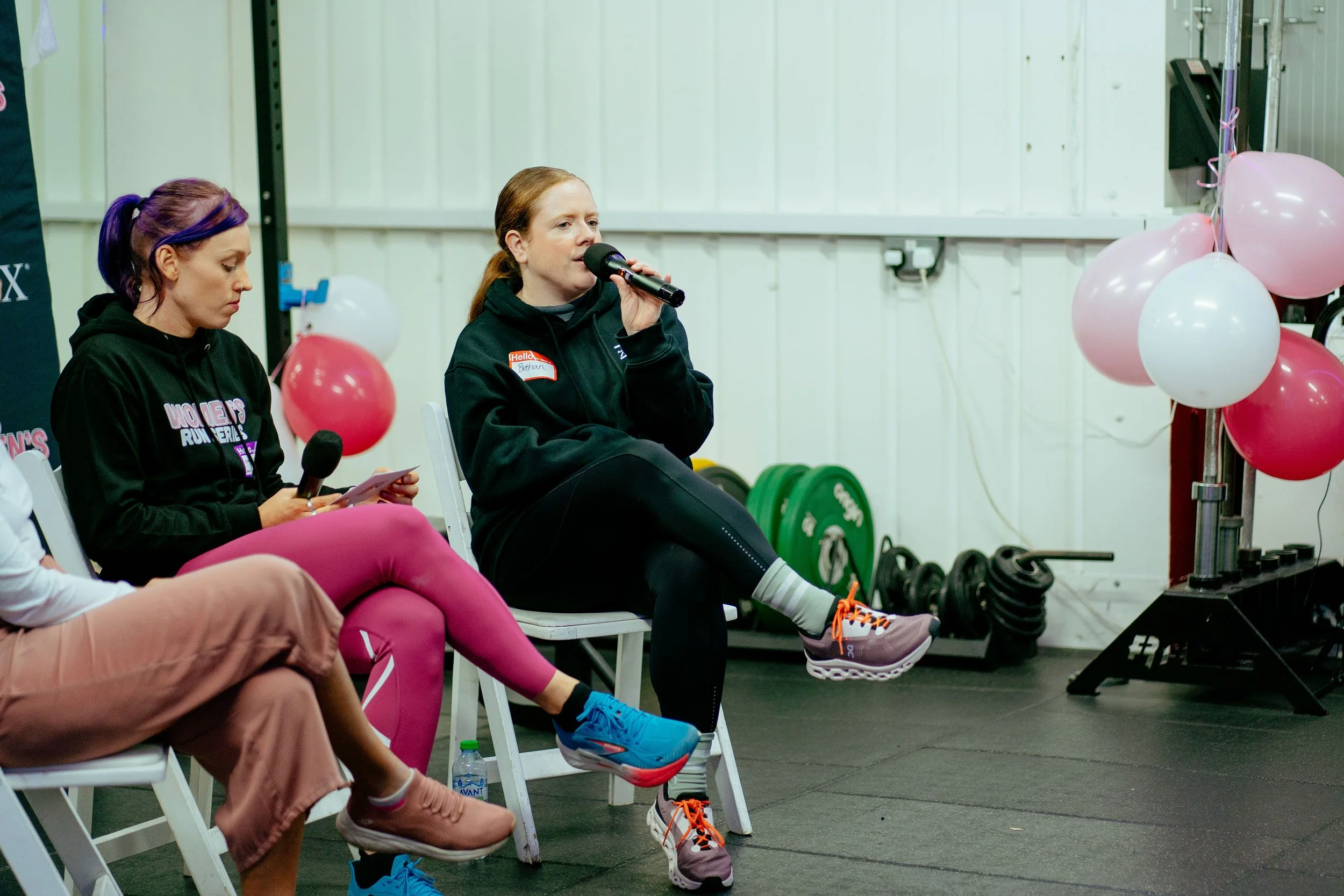
I often talk about my work as a form of activism. As I outline in my research journey, my interest in women’s experiences in sport are a direct result of my own experiences. I started running in my late 20s and it had an enormous impact on my life. I wanted other women to have the same experience, but I was also alive to the challenges women can face when it comes to access and participating in sport. My goal was to position myself so that I could speak with authority on these issues and influence change.
That goal runs through everything I do, from the work I publish, the campaigns I am involved in and the consultancy I undertake. I am fully committed to using my knowledge and experience for change.
What is academic activism?
Activism can be understood as ‘a series of actions designed to draw public attention to pressing social issues in order to generate social change’ (Zourou et al., 2024). An increasing number of academics are engaging is activism, or what has been referred to as ‘academic activism’ (Parsons, 2016; Kenny, 2021) motivated by a commitment to social justice. ‘Academic activism’ can take many forms, in my case I have used my skills as a content creator to develop a social media platform which I use to communicate academic ideas in a way which is accessible. Through this work I have been able to draw attention to a range of issues affecting women’s participation in ultra-running, running and sport more generally.
Positioning myself as a ‘feminist sociologist of sport’ I contribute a unique space in the social media landscape which draws together both academia and activism. By building a social media platform I have had the opportunity to communicate my findings to other audiences through podcast appearances, interviews, panels and contributions to media articles and books. Content creation allows me to draw attention to a range of issues affecting women’s participation and I have built a reputation for creating resources which are not just provocative, but also credible.